Educational Guide on Natural Supplements and Daily Wellbeing
Explore informative content about herbal ingredients, plant-based supplements, and holistic lifestyle approaches
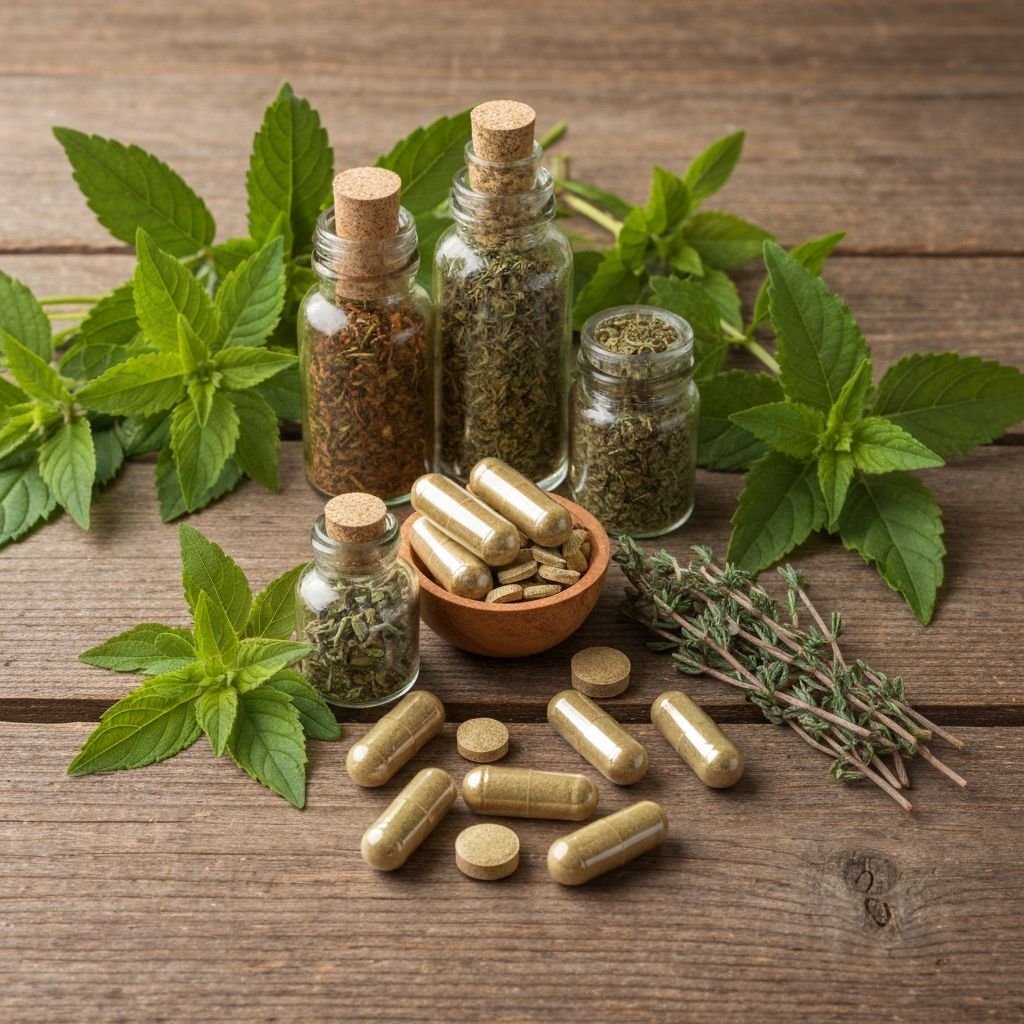
Explore informative content about herbal ingredients, plant-based supplements, and holistic lifestyle approaches
Natural supplements have been part of human culture for thousands of years. From ancient herbal traditions to modern botanical research, plant-based ingredients continue to fascinate researchers and wellness enthusiasts worldwide.
This educational resource explores the historical context, cultural significance, and scientific perspectives on natural supplements specifically relevant to adult men's general wellbeing. We focus on providing informative content rather than personal recommendations.
Understanding natural supplements requires knowledge of botany, cultural history, and basic nutritional science. Our goal is to explain concepts and provide context for further learning.
Daily wellbeing encompasses various aspects of life including nutrition, physical activity, rest, and stress management. These interconnected elements form the foundation of a balanced lifestyle.
Many cultures have developed their own approaches to maintaining daily vitality through natural means. From Mediterranean dietary patterns to Asian herbal traditions, diverse perspectives offer valuable educational insights.
Modern research continues to explore how lifestyle choices, including the use of certain plant-based foods and supplements, may relate to overall wellbeing. This field combines traditional knowledge with contemporary scientific inquiry.
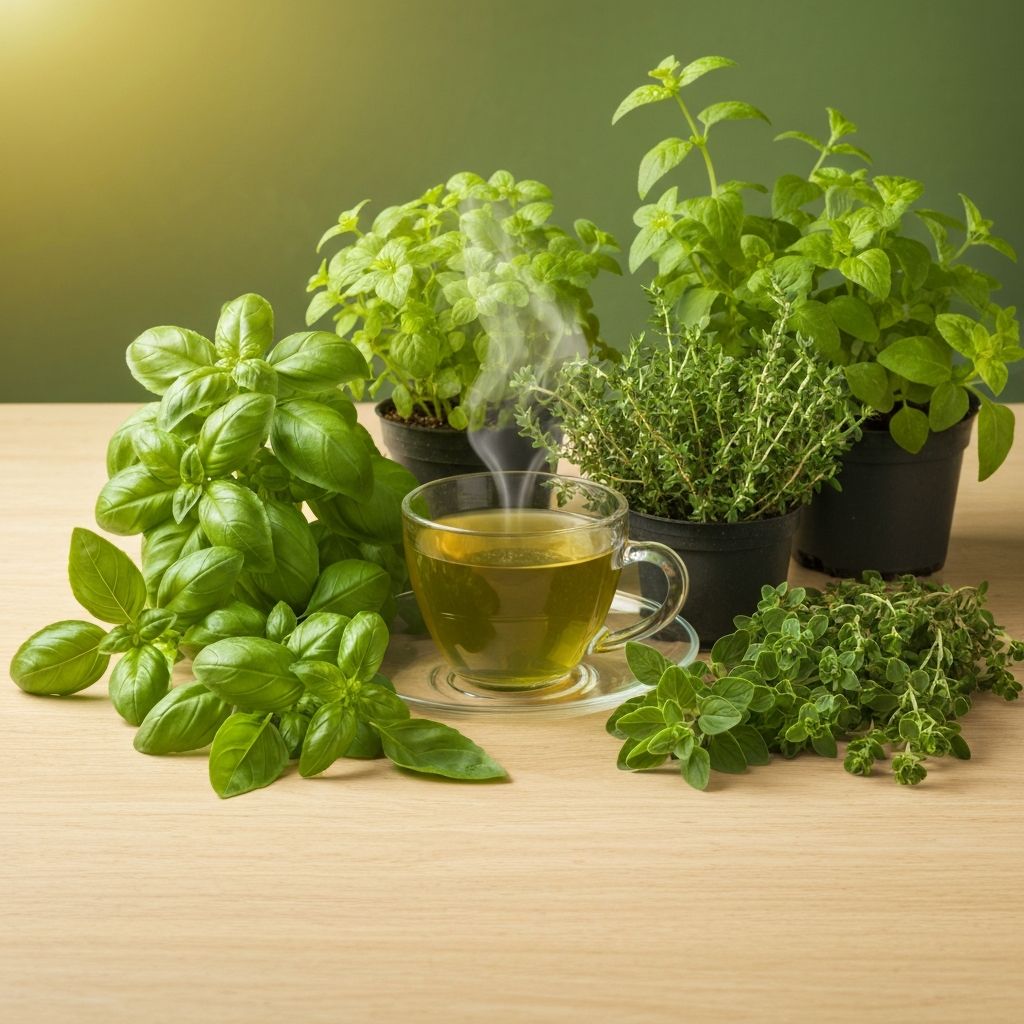
Plant-based supplements derive from various parts of plants including leaves, roots, seeds, and bark. Each botanical source contains unique compounds that have been studied for their properties.
Popular herbal ingredients in men's wellness contexts include:
Each of these botanicals has a rich cultural history and ongoing scientific research exploring their composition and potential applications.
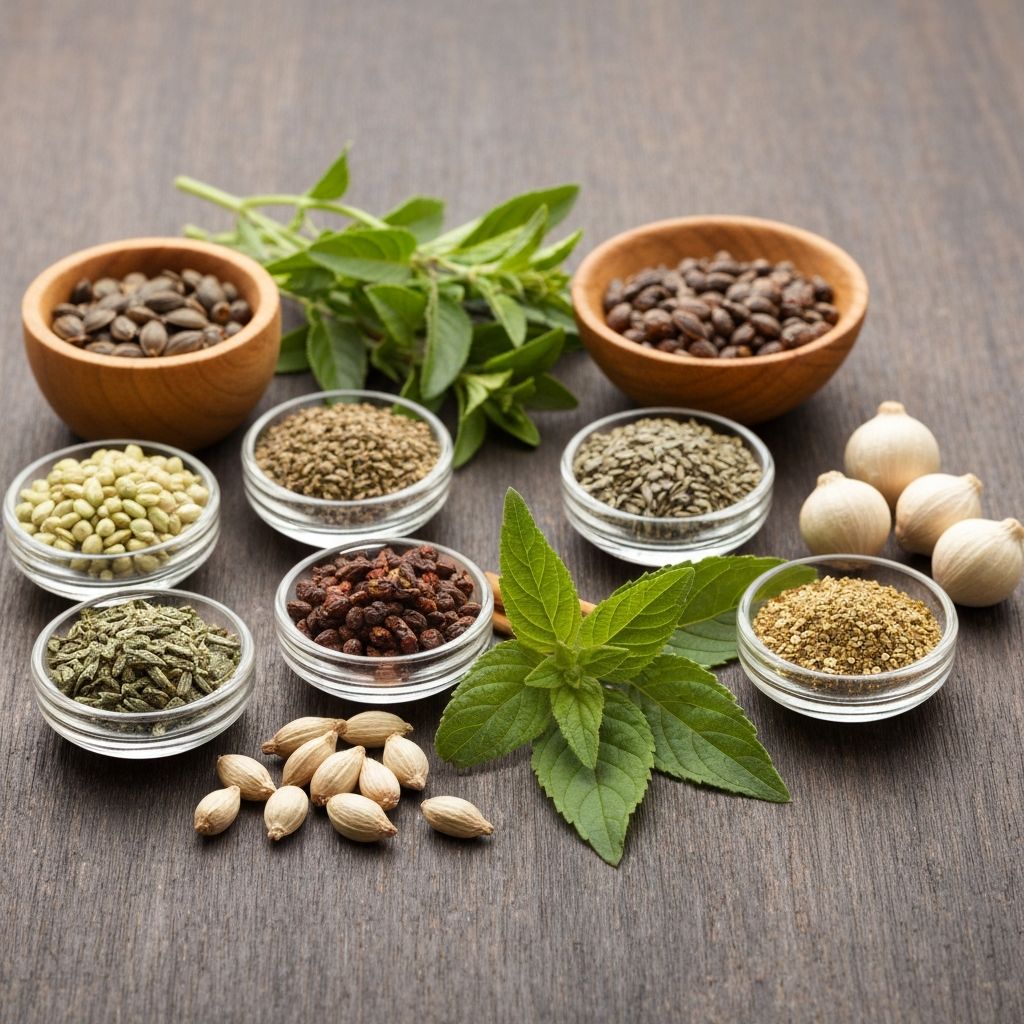
Scientific investigation of natural supplements involves multiple methodologies including phytochemical analysis, cellular studies, animal models, and human clinical trials. Each approach provides different types of information.
Research in this field is ongoing and evolving. Scientific understanding develops gradually as more studies are conducted and peer-reviewed findings accumulate over time.
When exploring research on natural supplements, it is important to consider study design, sample sizes, funding sources, and whether findings have been replicated. Scientific consensus builds through multiple independent investigations.
Educational resources should help readers understand how to evaluate scientific claims and recognize the difference between preliminary findings and well-established knowledge.
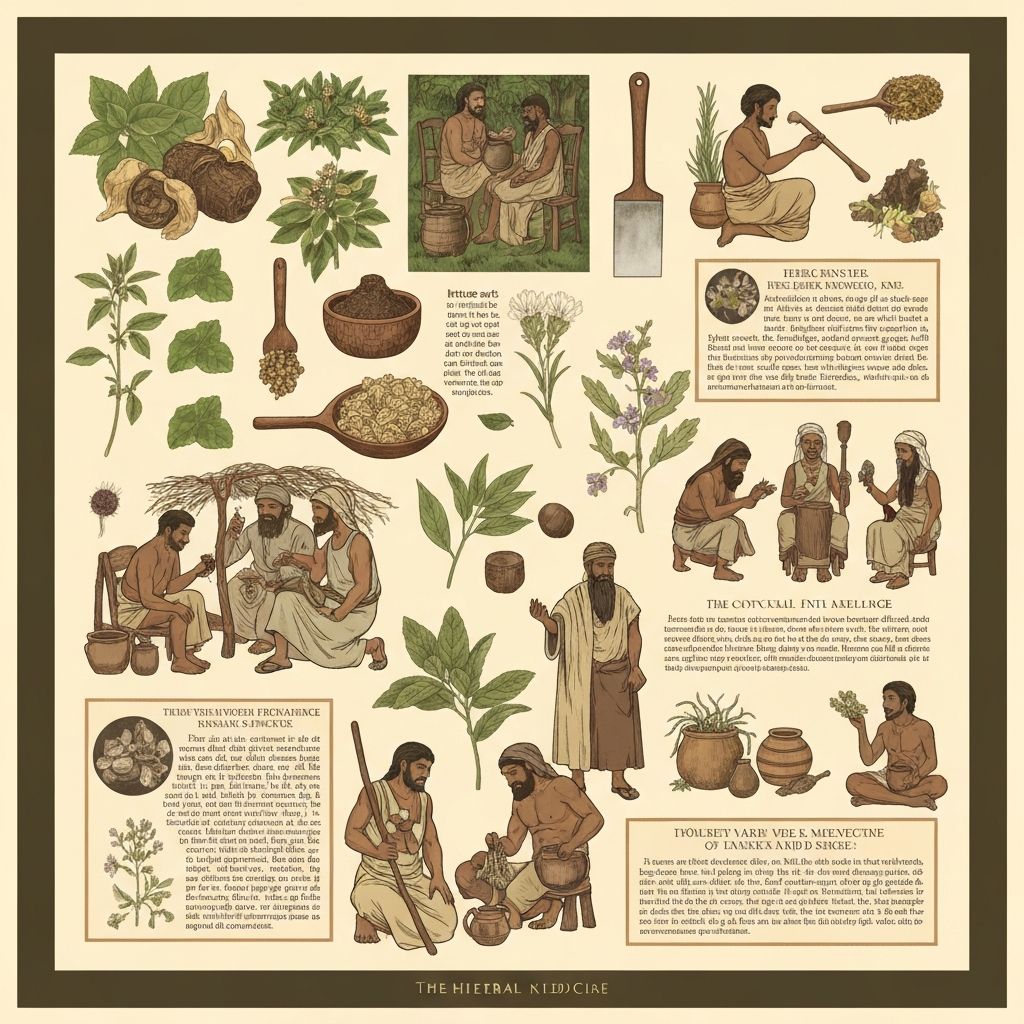
Throughout history, various cultures developed sophisticated systems for using plants and natural substances to support wellbeing. These traditions represent accumulated knowledge passed through generations.
Major traditional medicine systems include Traditional Chinese Medicine, Ayurveda from India, Unani medicine from the Middle East, and various indigenous practices from Africa, the Americas, and Oceania.
Each system developed its own theoretical framework, diagnostic approaches, and repertoire of botanical remedies. Understanding these cultural contexts enriches our appreciation of plant-based supplements.
Modern ethnobotany studies how different cultures use plants, providing bridges between traditional knowledge and contemporary scientific research.
A common misconception is that all natural substances are inherently safe. In reality, many powerful compounds come from natural sources, and botanical supplements can have significant effects and potential interactions.
Unlike pharmaceutical products designed for rapid action, many natural supplements are traditionally used over extended periods. Expectations should be informed by realistic timeframes and individual variation.
Individual responses to natural supplements vary based on genetics, lifestyle, existing health status, and many other factors. What works in one context may not apply universally.
The concept of energy in the context of natural supplements often relates to vitality, stamina, and overall sense of wellbeing rather than measurable physical energy units.
Traditional systems often describe balance and harmony as key principles. These concepts, while not directly measurable by modern instruments, represent holistic approaches to wellbeing that have cultural and historical significance.
Multiple elements contribute to how energetic or vital a person feels, including sleep quality, nutrition, hydration, physical activity, stress levels, and social connections. Natural supplements are sometimes explored as one element within this broader context.
Educational resources help individuals understand the multifaceted nature of wellbeing and avoid oversimplified explanations.
This website provides educational information only. Content presented here is not intended as personal advice or recommendations for individual use.
Natural supplements affect different people in different ways. What is described in general educational terms may not apply to specific individuals or situations.
Decisions about using any supplements should involve consideration of individual circumstances, existing health conditions, current medications, and consultation with qualified healthcare providers.
This resource does not replace professional guidance. We describe concepts and provide context rather than prescribing actions or promising specific outcomes.
Educational content only. No medical services. No promises of outcomes.
NutriMen serves as an educational resource providing informational content about natural supplements, herbal ingredients, and wellness concepts relevant to adult men. We explain topics rather than advise on personal use.
No. This is purely an educational website. We do not sell products, services, or supplements. We provide information for learning purposes.
The content here is educational and general in nature. Personal health decisions should involve qualified healthcare providers who can assess individual circumstances.
We focus on subjects with historical significance, cultural relevance, and ongoing scientific interest within the field of natural supplements and men's wellness.
We strive to present information that reflects current understanding while acknowledging areas of ongoing research and debate. Scientific knowledge evolves, and we aim to represent this dynamic accurately.
For those interested in learning more about natural supplements and botanical research, numerous resources are available through academic institutions, botanical gardens, and research organizations.
Libraries, educational institutions, and reputable online academic resources provide pathways for deeper exploration of these topics.

Explore our educational content to deepen your understanding of natural supplements and holistic wellness approaches.
Learn More